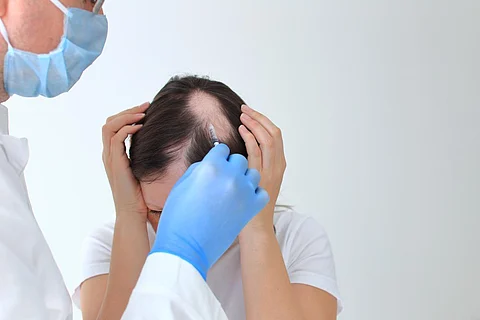

WEDNESDAY, Sept. 2, 2026 (HealthDay News) -- In a statement published online Sept. 2 in JAMA Dermatology, expert-established consensus is defined for the treatment of adults with severe alopecia areata (AA) in the United States.Samantha Gregoire, from Brigham and Women's Hospital in Boston, and colleagues established a consensus on treatment for adults with severe AA in the United States. A systematic literature review was conducted for all known therapies used for treating AA; studies were randomized clinical trials or had an observational design and examined adults with moderate-to-severe AA. Three rounds of anonymous, iterative online surveys were administered; consensus was predefined at an agreement threshold of 70 percent or greater.Three rounds of iterative surveys were completed by 31 U.S.-based AA experts. Consensus was achieved for treating severe AA, defined by the Alopecia Areata Scale. The primary, long-term therapy for all patients was oral Janus kinase inhibitors; for patients with comorbid atopy, dupilumab was an alternative option. Oral and topical minoxidil; intralesional, oral, and high-potency topical corticosteroids; and topical Janus kinase inhibitors and prostaglandins were included as supplemental treatments, with body site-specific indications. Alongside medical treatment, patient support resources should be offered."Many treatments did not reach consensus or were excluded from these recommendations in light of limited efficacy and/or low-quality evidence," the authors write.Several authors disclosed ties to the biopharmaceutical industry.Abstract/Full Text (subscription or payment may be required).Sign up for our weekly HealthDay newsletter