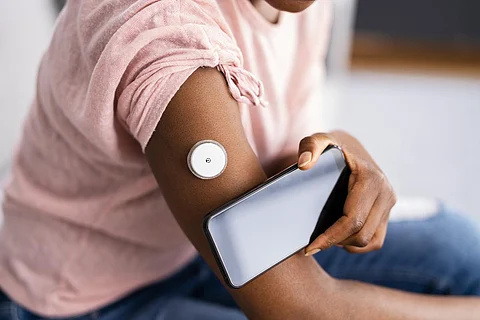

Key TakeawaysType 2 diabetics not taking insulin can benefit from continuous glucose monitorsNearly twice as many people who used the devices achieved blood sugar treatment goalsThey had about five additional hours each day in their target blood sugar range.MONDAY, Oct. 19, 2026 (HealthDay News) — Continuous glucose monitors can dramatically improve blood sugar control among people with type 2 diabetes who aren’t yet taking insulin, a new clinical trial says.Nearly twice as many diabetics fitted with a continuous glucose monitor achieved their blood sugar treatment goals compared to those without the devices, researchers reported Oct. 14 in The New England Journal of Medicine.On average, adults using glucose monitors had about five additional hours each day within their target blood sugar range, researchers found.“We hope this research will help strengthen national diabetes care guidelines and expand insurance coverage, making this technology more accessible to the millions of patients who could benefit from it,” lead researcher Dr. Tamara Oser, founder and director of the Primary Care Diabetes Lab at the University of Colorado Anschutz, said in a news release.Currently, the American Diabetes Association (ADA) wholeheartedly recommends continuous glucose monitors for type 2 diabetics who are on insulin, researchers said in background notes.However, the ADA says there’s little evidence to support use of the devices among people who are still managing their blood sugar through lifestyle measures or other diabetes drugs, researchers said. The new study, however, challenges that thought. For the study, researchers recruited 283 Americans with type 2 diabetes and randomly assigned about half to receive a continuous glucose monitor — a small sensor on the body that tracks blood sugar levels day and night.These devices help patients see how their blood sugar responds to food, exercise and other daily habits, researchers said in background notes.None of the patients were taking insulin, researchers said. Those not provided a monitor used traditional finger-stick testing to track their blood sugar.“An estimated 20 million adults in the United States have type 2 diabetes and do not take insulin, and despite advances in treatment, many still do not reach glycemic targets,” Oser said.“Over time, elevated blood sugar can increase the risk of serious health complications, including heart disease, kidney disease and vision loss, so it’s important we continue to improve care for everyone with diabetes,” she added.Results showed that after half a year, 68% of the patients fitted with a glucose monitor achieved an A1C reading below 7.5% and nearly half had an A1C below 7%. A common treatment goal for people with diabetes is 7% or under, researchers noted.Overall, patients using a glucose monitor experienced an average 1.6-point reduction in their A1C from a baseline of 8.8%, researchers said. That was a nearly a point greater reduction than those tracking their blood sugar through usual methods.Patients with a glucose monitor also spent five additional hours per day in their blood sugar target range.“These results provide compelling evidence that CGM use can meaningfully improve glucose outcomes for people with Type 2 diabetes who are not using insulin,” senior researcher Dr. Roy Beck, medical director of the JAEB Center for Health Research in Tampa, Florida, said in a news release.Nearly all the study participants continued to use the glucose monitors even after the study ended, which Beck said pointed to its helpfulness in daily diabetes management. “Furthermore, the consistency of benefit across a broad range of people and treatment regimens supports consideration of the use of a CGM much earlier in Type 2 diabetes management before insulin is needed," Beck said. The trial was funded by Dexcom, manufacturer of the continuous glucose monitors used in the study.More informationThe National Institutes of Health has more on continuous glucose monitors.SOURCE: University of Colorado Anschutz, news release, Oct. 14, 2026 .What This Means For YouType 2 diabetics who are not taking insulin might still benefit from a glucose monitor..Sign up for our weekly HealthDay newsletter