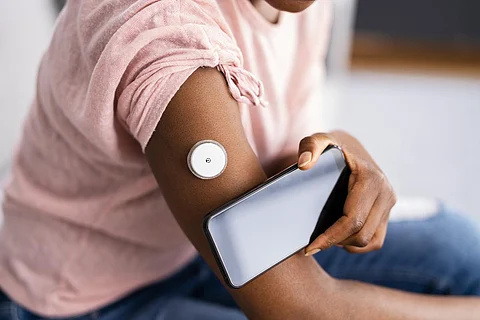

WEDNESDAY, Oct. 21, 2026 (HealthDay News) -- Continuous glucose monitoring (CGM) leads to a greater reduction in glycated hemoglobin (HbA1c) levels than routine care for adults with type 2 diabetes not treated with insulin, according to a study published online Oct. 14 in the New England Journal of Medicine.Tamara K. Oser, M.D., from the University of Colorado Anschutz School of Medicine in Aurora, and colleagues randomly assigned adults with type 2 diabetes who were not using insulin to either CGM or routine care (145 and 138, respectively) in a 26-week trial conducted at 22 primary care practices.The researchers found that from baseline to 26 weeks, there were decreases in the mean HbA1c levels from 8.8 ± 1.3 to 7.2 ± 1.1 percent in the CGM group and from 8.7 ± 1.2 to 8.0 ± 1.4 percent in the routine-care group (adjusted mean difference, −0.9 percentage points). With CGM versus routine care, the mean percentage of time that the CGM-measured glucose level was in the glucose-level range of 70 to 180 mg/dL was 21 percentage points higher. The difference between the groups in the percentage of time that the glucose level was below 54 mg/dL and below 70 mg/dL was −0.17 percentage points and −0.20 percentage points (P < 0.001 for noninferiority; P = 0.004 for superiority), respectively."The consistency of benefit across a broad range of people and treatment regimens supports consideration of the use of a CGM much earlier in type 2 diabetes management before insulin is needed," coauthor Roy W. Beck, M.D., Ph.D., from the Jaeb Center for Health Research in Tampa, Florida, said in a statement.Several authors disclosed ties to the biopharmaceutical industry, including Dexcom Inc., which funded the study.Abstract/Full Text (subscription or payment may be required).Sign up for our weekly HealthDay newsletter