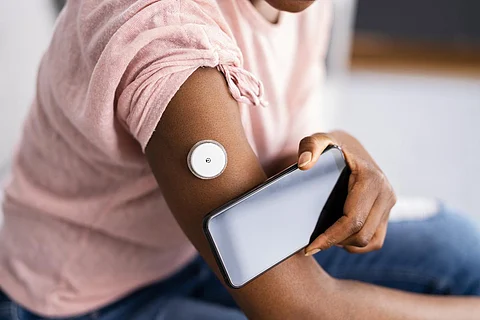

WEDNESDAY, Sept. 23, 2026 (HealthDay News) -- Glucose patterns captured by continuous glucose monitors (CGMs) are linked to cardiometabolic risk in adults without diabetes, according to a study published online Sept. 17 in Diabetes Care.Bahar Bakhshi, from Boston University, and colleagues investigated whether CGM measures and glycemic profiles could reveal 10-year cardiovascular disease (CVD) risk and individual cardiometabolic risk factors among individuals without diabetes. The analysis included data from 1,356 adult participants without prevalent diabetes or CVD participating in the Framingham Heart Study, who wore a blinded Dexcom G6 Pro CGM for up to 10 days.The researchers found that CGM measures were positively associated with 10-year CVD risk estimates and individual cardiometabolic risk factors. Each one standard deviation higher percentage of time spent at glucose levels >140 mg/dL (15.4 percent) was associated with 2 percent higher 10-year CVD risk estimates and 21 to 26 percent higher odds of hypertension and dyslipidemia, even after adjusting for fasting plasma glucose. There was a discordant relationship between glycemic profiles representing worse dysglycemia by CGM and traditionally defined glycemic status (fasting plasma glucose and HbA1c). Individuals with traditionally defined prediabetes were included in CGM profiles representing worse dysglycemia (48.1 to 84.2 percent), and these profiles were associated with 6 to 7 percent higher 10-year CVD risk estimates in addition to worse individual cardiometabolic risk factors."Understanding temporal glucose patterns may be pivotal in uncovering early or intermittent dysglycemia and its downstream cardiometabolic risks," coauthor Nicole Spartano, Ph.D., also from Boston University, said in a statement. "Continuous glucose monitoring may aid this in characterizing the heterogeneity underlying dysglycemia by enabling phenotyping of individuals across the blood sugar continuum."Dexcom provided discounted CGM devices used in the study. Several authors disclosed ties to the pharmaceutical or medical device industries.Abstract/Full Text (subscription or payment may be required).Sign up for our weekly HealthDay newsletter