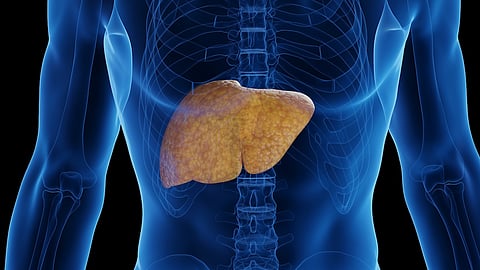

THURSDAY, Sept. 17, 2026 (HealthDay News) -- Metabolic dysfunction-associated steatotic liver disease (MASLD) cirrhosis before age 50 years is associated with both genetic and metabolic factors, according to a study published online Sept. 16 in Clinical Gastroenterology and Hepatology.Veeral Ajmera, M.D., from the University of California at San Diego in La Jolla, and colleagues examined genetic and metabolic factors associated with younger-onset MASLD cirrhosis. The analysis included 2,395 adults with biopsy-proven MASLD.The researchers found that 9.8 percent of participants had MASLD cirrhosis (median age, 58.4 years; body mass index [BMI], 34.9 kg/m2; 66 percent with type 2 diabetes mellitus). The lowest quartile of cirrhosis by age (younger-onset) was younger than 50 years and was associated with a lower prevalence of the protective HSD17B13 variant (24 versus 34 percent). Compared with participants younger than 50 years without cirrhosis, those with cirrhosis more often had type 2 diabetes mellitus, BMI ≥35 kg/m2, higher alkaline phosphatase, and lower alanine transaminase. When adjusting for demographic and metabolic factors, high genetic risk score (odds ratio, 2.33) and diabetes (odds ratio, 3.74) remained independently associated with cirrhosis in those younger than 50 years."As current screening tools incorporate age, they miss almost a third of patients with early-onset MASLD cirrhosis," Ajmera said in a statement. "This study helps us identify which patients are at greatest risk and need a more accurate assessment of their liver disease."Two authors disclosed ties to the pharmaceutical and biotechnology industries.Abstract/Full Text (subscription or payment may be required).Sign up for our weekly HealthDay newsletter