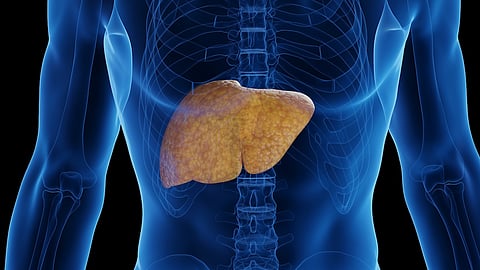

FRIDAY, July 31, 2026 (HealthDay News) -- Patients with metabolic dysfunction and alcohol-associated liver disease (MetALD) have worse fibrosis scores than those with metabolic dysfunction-associated steatotic liver disease (MASLD), and reducing alcohol intake can reduce the risk for worsening fibrosis in MetALD, according to a study published online July 28 in the Journal of Gastroenterology and Hepatology.Masahiro Sogabe, M.D., Ph.D., from the Tokushima University Graduate School of Biomedical Sciences in Japan, and colleagues examined the longitudinal association between changes in alcohol intake and fibrosis risk scores (FRS) in patients with MASLD and MetALD. A total of 2,198 patients with MASLD and 644 with MetALD underwent three health check-ups, conducted at least one year apart in a retrospective observational cohort study.The researchers found that patients with MetALD had higher FRS than those with MASLD. Changes in alcohol intake were not associated with worsening FRS among men with MASLD, while worsening FRS was seen for women with MASLD who increased alcohol consumption. Reducing alcohol intake was associated with a lower risk for worsening FRS in people with MetALD, including men with MetALD consuming 280.0 to 419.9 g/week of alcohol, compared with those who maintained the same consumption level."These findings suggest that individualized counseling aimed at reducing alcohol consumption might be beneficial for long-term management and attenuation of worsening fibrosis risk scores in patients with MASLD or MetALD," the authors write.Abstract/Full Text (subscription or payment may be required).Sign up for our weekly HealthDay newsletter