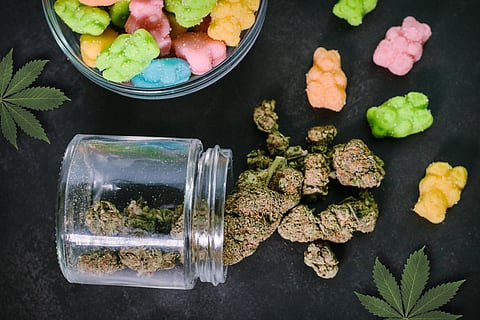

THURSDAY, May 14, 2026 (HealthDay News) -- A considerable number of U.S. adults report microdosing psychoactive substances in their lifetime, according to a study published online May 3 in the American Journal of Preventive Medicine.Kevin H. Yang, M.D., from the University of California San Diego School of Medicine in La Jolla, and colleagues used data from 1,525 participants in the Characterizing the Epidemiology of Cannabidiol Use Survey to describe microdosing prevalence, frequency, and reasons.The researchers found that cannabis was the most commonly microdosed substance (9.4 percent; 24.1 million adults), followed by psilocybin (5.3 percent; 13.7 million adults), LSD (4.8 percent; 12.4 million adults), and 3,4-Methylenedioxymethamphetamine (MDMA; 2.2 percent; 5.7 million adults). Cannabis was mostly microdosed for medical purposes (41.2 percent; e.g., "to manage pain"), while psilocybin (66.6 percent), LSD (59.2 percent), and MDMA (86.0 percent) were more commonly microdosed for recreational purposes. Lifetime microdose use, across all substances, was more prevalent among respondents reporting poorer mental health and among those residing in jurisdictions permitting recreational cannabis use and decriminalized psychedelic possession."Most people are microdosing for recreational purposes," senior author Eric Leas, Ph.D., also from the University of California San Diego, said in a statement. "That suggests that many people could think about the concept of 'microdosing' more as a way of lowering dosage. They may just want to take less, so they don’t want to get as high."Abstract/Full Text (subscription or payment may be required).Sign up for our weekly HealthDay newsletter