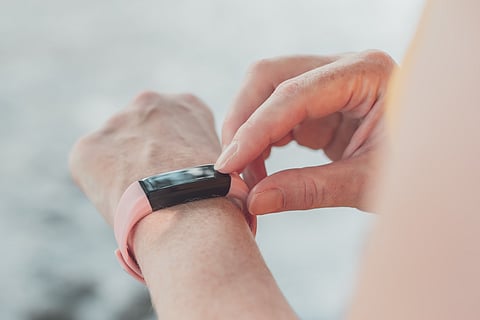

Key TakeawaysPeople with fewer than 5,000 steps per day had higher rates of dementia, Parkinson's and stroke than those averaging more than 12,000The least-active participants also had higher rates of obesity, diabetes, high blood pressure and depressionResearchers say consistently reaching fewer than 5,000 steps per day should prompt an overall health check.MONDAY, Oct. 19, 2026 (HealthDay News) — Your fitness tracker may reveal more than your daily step count. It could also offer clues about your future brain health.Researchers analyzed a year’s worth of Fitbit data from more than 22,000 adults, ages 40 and older, and then checked their medical records for another five years.The results showed that rates of dementia, Parkinson's disease and stroke were 80% higher among people averaging fewer than 5,000 steps a day compared with those averaging more than 12,000.The least-active group also had higher rates of obesity, diabetes, high blood pressure and depression — conditions researchers say may help explain some of the difference.“The takeaway is that how much you move over a year may offer a window into your overall brain-and-body health,” lead author Dr. Meet Popatbhai Kachhadia, a neurology resident at Florida Atlantic University, said in a statement.The good news? Even people averaging around 8,000 steps a day had lower rates of neurological disease.More studies are needed to confirm the link. But researchers said consistently low step counts should prompt an overall health check, not fears about your brain.“Everybody should develop a regular habit of physical activity, setting realistic, sustainable fitness goals to improve their health,” said co-author Dr. Marc Swerdloff, also from Florida Atlantic University and Marcus Neuroscience Institute in Boca Raton. “For example, people averaging around 8,000 steps a day had meaningfully lower rates of neurologic disease than the least active group. That's a realistic target, and it aligns with federal guidance of roughly 150 minutes of moderate activity per week. Nobody needs to reach 12,000.” The study was scheduled to be presented today in San Diego at a meeting of the American Neurological Association. Research presented at meetings is considered preliminary until published.More informationUCLA Health has more on daily step counts.SOURCE: HealthDay TV, Oct. 19, 2026 .What This Means For YouIf you have consistently low step counts, below 5,000 steps per day, you may want to check in with your doctor for an overall health check..Sign up for our weekly HealthDay newsletter