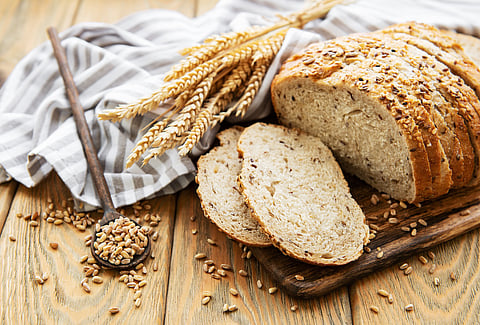

Key TakeawaysNutritional quality might matter more than processing level of food when it comes to healthPeople had a lower risk of premature death, type 2 diabetes or heart disease if they ate healthy plant-based foods, whether or not those foods were ultra-processedBut unhealthy plant-based foods increased risk of type 2 diabetes and heart disease, even if they were minimally processed.WEDNESDAY, July 29, 2026 (HealthDay News) — The health risks posed by ultra-processed foods have been a major topic of late, with scientific inquiries and news reports trumpeting people’s concerns regarding industrially produced eats.But those worries could be overblown, a new study suggests.Nutritional quality might matter more than processing level of food when it comes to long-term health, researchers reported Tuesday at the annual meeting of the American Society for Nutrition in National Harbor, Maryland.The overall quality of an individual’s diet was strongly associated with risk of heart disease, type 2 diabetes and premature death among more than 200,000 people, researchers found.However, these links did not appear to substantially differ based on whether the person ate whole foods, minimally processed foods or ultra-processed foods, the study found.“While many ultra-processed foods tend to be of poor nutritional quality and should generally be limited or avoided, processing itself is not inherently harmful,” researcher Xiaowen Wang said in a news release. She is a postdoctoral research fellow in nutrition at Harvard T.H. Chan School of Public Health in Boston.The study indicates that people should “focus on what you’re eating overall, not just whether it’s processed,” Wang said. “A healthy plant-based diet rich in whole grains, fruits, vegetables, nuts, legumes and healthy plant oils is beneficial, even if it includes some processed foods.” Ultra-processed foods are made mostly from substances extracted from whole foods, like saturated fats, starches and added sugars. They also contain a wide variety of additives to make them more tasty, attractive and shelf-stable, including colors, emulsifiers, flavors and stabilizers.Examples include packaged baked goods, sugary cereals, ready-to-eat or ready-to-heat products, and deli cold cuts.For the study, researchers pooled data from three different studies that followed a total of nearly 204,000 U.S. adults from the 1980s through the 2020s.The studies all tracked people’s diets, and researchers used that data to group people based on their plant-based eating habits:Healthy/ultra-processed (whole grain breakfast cereal with fortified plant-based milk, plant-based yogurt, whole-grain bread and canned fruit)Healthy/minimally-processed (oatmeal with fresh fruit and nuts, quinoa and vegetable salad with olive oil and homemade lentil soup)Unhealthy/ultra-processed (fast food meals, French fries, soda, packaged desserts and refined snacks)Unhealthy/minimally-processed (white rice, fruit juice, potatoes and homemade desserts made with refined flour and sugar)About half of the study participants eventually died or developed heart disease or type 2 diabetes, researchers said.Healthy plant-based eating habits lowered risk of heart disease, type 2 diabetes and death, even if the foods were ultra-processed, researchers found. For example:Healthy eating with minimally processed foods lowered heart disease risk by 18%, while healthy ultra-processed foods lowered risk by 14%.Healthy minimally processed foods lowered type 2 diabetes risk by 33%, compared to 34% lower risk with healthy ultra-processed foods.Death risk fell by 11% for those eating minimally processed foods and 7% for those eating healthy ultra-processed foods.On the other hand, eating unhealthy plant-based foods increased risk of heart disease and type 2 diabetes, whether or not they were minimally processed or ultra-processed.“Advising people to universally ‘avoid ultra-processed foods’ can lead to lower diet quality since healthy ultra-processed foods are beneficial and unhealthy minimally processed foods are detrimental,” Wang said.“People should prioritize the quality of foods rather than focusing solely on the level of processing,” she continued. “Aim for more nutrient-dense, high-quality foods to help lower your risk of chronic diseases.”Findings presented at medical meetings should be considered preliminary until published in a peer-reviewed journal.More informationThe American Heart Association has more on ultra-processed foods and health.SOURCE: American Society for Nutrition, news release, July 28, 2026 .What This Means For YouPeople should talk to their doctor or a nutritionist about the best food choices for their health, including whether some plant-based ultra-processed foods might be good for them..Sign up for our weekly HealthDay newsletter