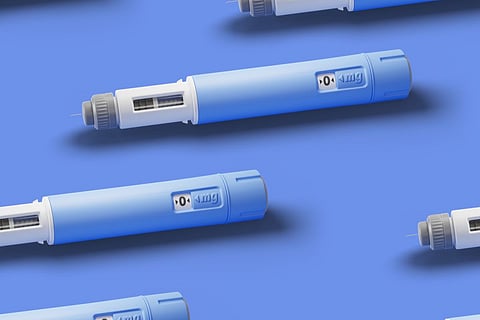

TUESDAY, Dec. 2, 2025 (HealthDay News) -- Long-term glucagon-like peptide-1 (GLP-1) therapies combined with intensive behavioral therapy are recommended for adults with obesity, according to a special communication from the World Health Organization published online Dec. 1 in the Journal of the American Medical Association.Francesca Celletti, M.D., Ph.D., from the World Health Organization in Geneva, and colleagues released guidelines on the use of and indications for GLP-1 therapies for treatment of obesity in adults.Obesity is recognized as a chronic, relapsing disease that requires lifelong care, the authors note. Early diagnosis is emphasized, along with integrated, person-centered approaches that combine behavioral, medical, surgical, and other interventions together with prevention and management of comorbidities. GLP-1 therapies may be used as a long-term treatment for obesity (recommendation 1; conditional recommendation). Context-appropriate counseling on behavioral and lifestyle changes is an initial step toward more structured behavioral interventions. Intensive behavioral therapy may be provided as part of a comprehensive, multimodal clinical algorithm for adults living with obesity who are prescribed GLP-1 therapies (recommendation 2; conditional recommendation). Behavioral therapy includes structured goal setting for physical exercise and diet, energy intake restriction, weekly counseling sessions, and routine assessments of progress.GLP-1 therapies "represent a new chapter in the gradual conceptual shift in how society approaches obesity -- from a 'lifestyle condition' to a complex, preventable, and treatable chronic disease," the authors write. "This promise of effective treatment can catalyze the broader transformation needed to build an integrated ecosystem that redefines health promotion, disease prevention, and care with a focus on equity."Abstract/Full Text.Sign up for our weekly HealthDay newsletter