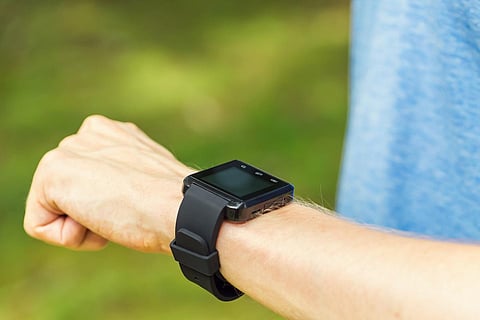

TUESDAY, Dec. 2, 2025 (HealthDay News) -- Health apps, wearables, and interactive programs can help improve physical activity, diet, and weight outcomes for children and teens, according to a study published online Oct. 17 in the Journal of Medical Internet Research.Ben Singh, Ph.D., from University of South Australia in Adelaide, and colleagues conducted a systematic umbrella review and meta–meta-analysis aimed to evaluate the effectiveness of eHealth and mHealth interventions in promoting healthy behaviors among children and adolescents.Based on 25 systematic reviews (440 randomized controlled trials and 133,501 participants), the researchers found standardized mean difference (SMD) showed significant effects (all P < 0.05) for moderate to vigorous physical activity (SMD, 0.18; 95 percent confidence interval [CI], 0.09 to 0.27), total physical activity (SMD, 0.24; 95 percent CI, 0.13 to 0.35), fat intake (SMD, 0.10; 95 percent CI, 0.02 to 0.18), fruit and vegetable intake (SMD, 0.11; 95 percent CI, 0.00 to 0.22), body mass index (SMD, 0.19; 95 percent CI, 0.11 to 0.27), and body weight (SMD, 0.15; 95 percent CI, 0.01 to 0.30). eHealth and mHealth interventions had no effects on sedentary behavior (SMD, 0.12; 95 percent CI, −0.11 to 0.35) or sleep (SMD, 0.27; 95 percent CI, −0.09 to 0.63). Interventions lasting less than eight weeks had a greater effect on moderate to vigorous physical activity than those lasting eight weeks or more. Interventions lasting 12 weeks or longer had a greater effect on body mass index than shorter interventions."By integrating evidence-based apps and wearables into schools, primary care and community programs, we can make healthy habits more appealing and accessible for young people," Singh said in a statement.Abstract/Full Text.Sign up for our weekly HealthDay newsletter